What Is Thermal Imaging?
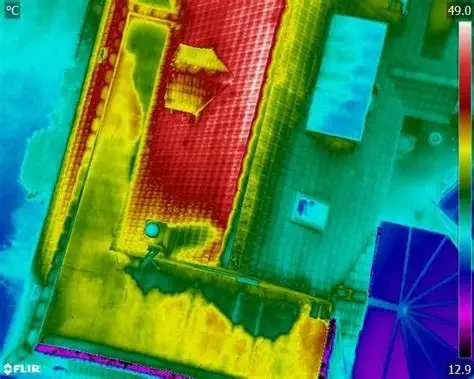
Thermal imaging uses an infrared camera to detect temperature differences on your roof's surface. These temperature variations reveal problems that are completely invisible to the naked eye.
What Thermal Finds:
- Hidden moisture under shingles
- Active leaks before they stain ceilings
- Air leaks around penetrations
- Insulation gaps and failures
- Previous repairs that may be failing
Why You Might Need Thermal Imaging
🏠 Ceiling Stains
That brown spot means water is getting in somewhere. Thermal imaging traces the path and pinpoints the entry point.
📝 Buying/Selling
Reveal problems home inspectors miss. Sellers can address issues early. Buyers can negotiate with evidence.
🌪️ Recent Storms
Hail damage isn't always visible. Thermal shows bruising and moisture intrusion before interior damage appears.
⏳ Older Roof
As roofs age, sealants fail. Thermal catches failures before they become active leaks.
💰 Insurance Claims
Thermal images provide undeniable evidence of hidden damage for claim support.
🔍 Peace of Mind
Even if your roof looks fine, thermal can confirm there's nothing hiding underneath.
What You Get
🔥 Thermal Images
10-20 infrared photos showing temperature variations across your roof.
📸 Visual Photos
Standard photos of same areas for easy comparison.
🔄 Side-by-Side
Thermal vs. visual comparison to clearly identify problem areas.
📋 Findings Summary
Plain-English explanation of what thermal revealed.
📍 Recommendations
Next steps based on findings—repair, monitor, or investigate further.
💰 Ready to Book?
See our complete pricing structure for thermal imaging and package deals
📊 View Our Pricing →How It Works
The Science
Wet materials retain cold differently than dry materials. After sunset, wet areas of your roof cool at different rates. Thermal cameras detect these temperature differences, revealing:
- Cool spots = Potential moisture
- Warm spots = Potential air leaks
The Process
- Schedule (best in evening/early morning)
- I fly with visual and thermal cameras
- I analyze temperature anomalies
- You receive report within 24 hours
Frequently Asked Questions
Can thermal see through the roof?
No. Thermal detects surface temperature differences, which indicate what's underneath. It's remarkably accurate at finding hidden issues.
When is the best time for thermal?
Evening or early morning, when temperature differences are most pronounced. I'll work with your schedule.
Does thermal work on all roof types?
Yes. Asphalt, tile, metal, flat roofs—all can be thermally inspected.
Will thermal find every leak?
Thermal finds active moisture and temperature anomalies. It catches most hidden problems before they become visible.
Do I need thermal if my roof looks fine?
Many clients add thermal for peace of mind. If there's hidden moisture, you'll know now instead of when it becomes mold.